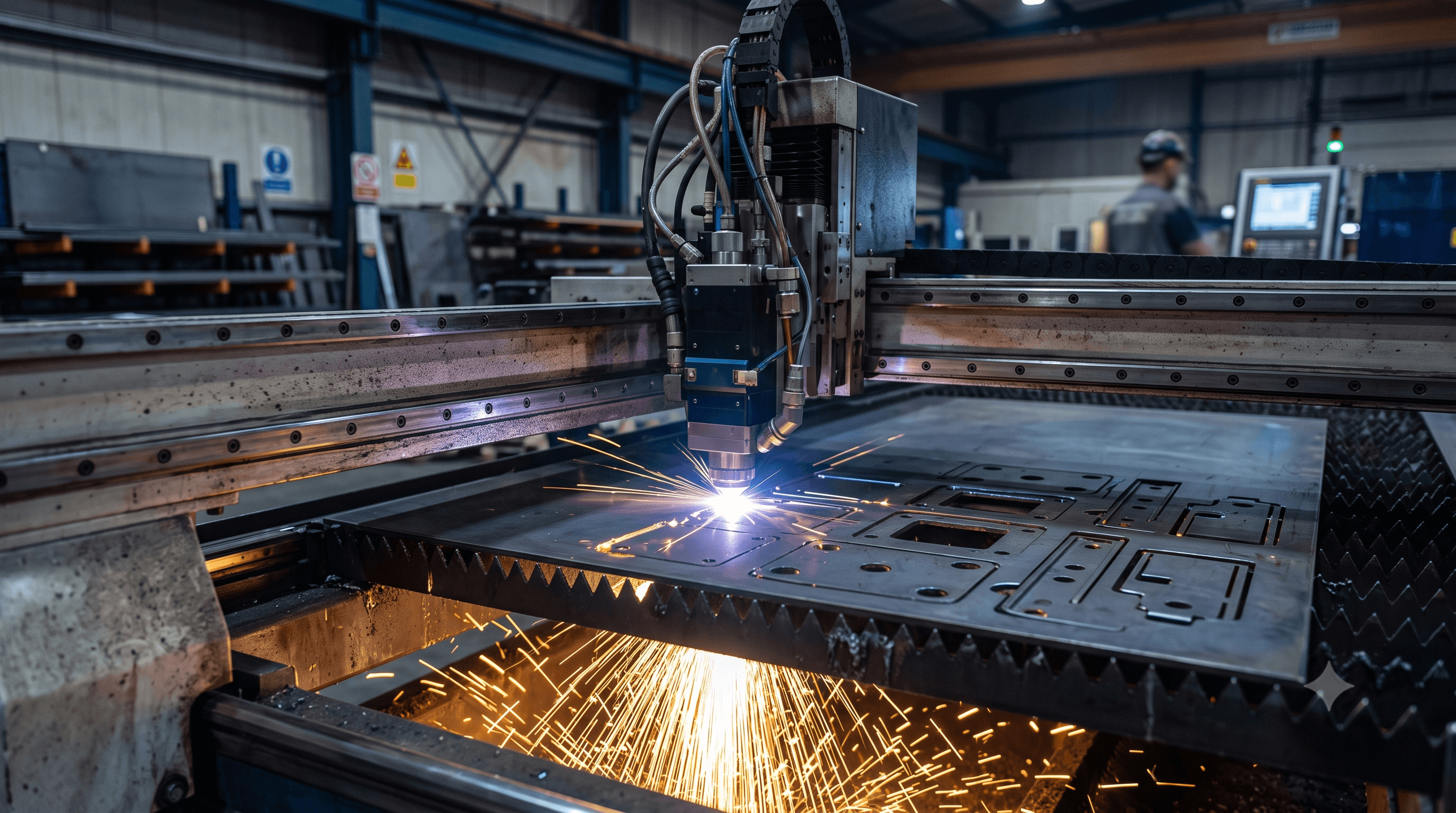
Expanded Metal Mesh: Types, Uses, Sizes & Prices (2026 Guide)
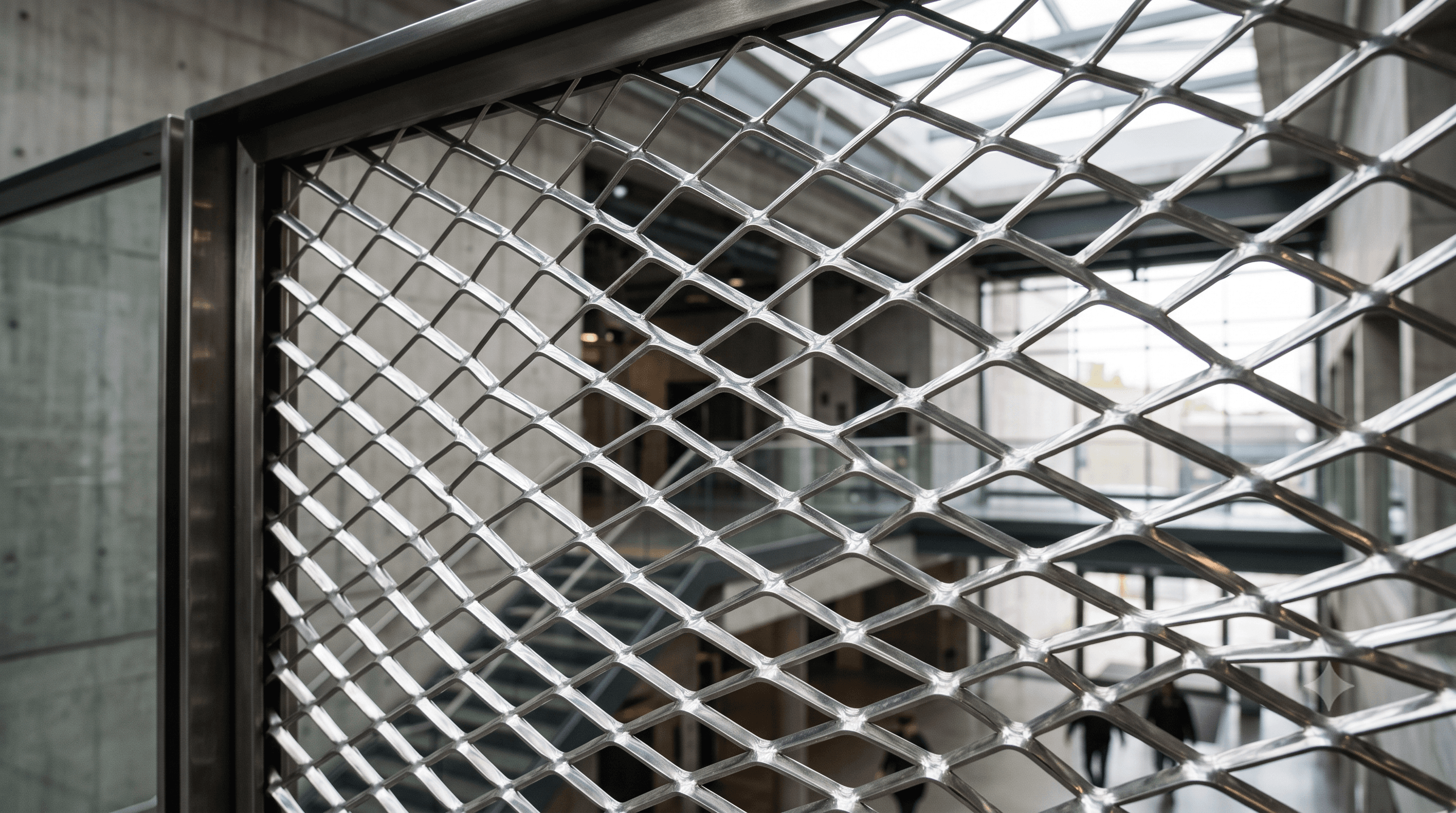
Explore the ultimate guide to expanded metal mesh. Learn about MS, SS, and aluminium types, SWM/LWM sizes, applications, and pricing factors.
Expanded Metal Mesh: Complete Guide to Types, Uses, Sizes & Prices
Quick Answer (TL;DR): Expanded metal mesh is a highly durable, one-piece metal grating created by simultaneously slitting and stretching a solid metal sheet to form a pattern of diamond-shaped openings. Because it is formed without welding or weaving, it boasts superior structural integrity and zero material wastage. It is widely used across industries for security fencing, machine guards, industrial walkways, and architectural facades.
Whether you are a contractor, fabricator, or architect, selecting the right material, thickness, and mesh size is critical. In this comprehensive guide, we cover everything you need to know about expanded metal mesh types, dimensions, pricing, and applications.
What Is Expanded Metal Mesh?
Expanded metal mesh is produced through an eco-friendly manufacturing process that slits and stretches a metal sheet into an interconnected mesh structure. Because the sheet is never completely severed into individual wires, the resulting mesh remains a single, continuous piece of metal.
This process gives expanded mesh an incredible combination of strength, rigidity, ventilation, and material efficiency.
Understanding Key Specifications: SWM, LWM & Strand Width
To buy the right mesh from expanded mesh manufacturers, you must understand how it is measured:
- SWM (Short Way of Mesh): The shorter diagonal dimension of the diamond opening.
- LWM (Long Way of Mesh): The longer diagonal dimension of the diamond opening.
- Strand Width: The width of the metal strip forming the border of the diamond opening.
- Sheet Thickness: The gauge/thickness of the original solid metal sheet before expansion.
- Open Area: The percentage of the total surface that consists of holes (crucial for airflow, light transmission, and weight calculations).
Raised vs. Flattened Expanded Metal Mesh
Expanded metal is manufactured in two primary configurations, each serving distinct structural needs:
1. Raised Expanded Metal Mesh (Standard)
During expansion, the strands remain angled and elevated from the original sheet plane, creating a 3D, textured surface.
- Best for: High rigidity, anti-skid grip, drainage, and load-bearing applications.
- Common Uses: Industrial walkways, stair treads, machine guards, and heavy-duty platforms.
2. Flattened Expanded Metal Mesh
Raised mesh is passed through a cold-rolling mill to flatten the strands, resulting in a smooth, level surface.
- Best for: Applications requiring a flush finish and safe, smooth edges.
- Common Uses: Fencing, cabinetry, architectural partitions, and decorative screens.
Types of Expanded Metal Mesh by Material
Selecting the right material ensures longevity and cost-effectiveness for your specific environment.
- Mild Steel (MS) Expanded Mesh: The most economical option. Offers excellent strength for general fabrication, machine guards, and industrial screens. Requires painting or coating to prevent rust.
- Galvanized Iron (GI) Expanded Mesh: MS mesh treated with a zinc coating to resist corrosion. Ideal for outdoor fencing and external ventilation covers.
- Stainless Steel (SS) Expanded Mesh (SS 304 / SS 316): Highly durable and rust-resistant. Perfect for food processing, chemical environments, and premium architectural facades.
- Aluminium Expanded Mesh: Lightweight and naturally corrosion-resistant. Frequently used for building facades, sunshades, false ceilings, and acoustic panels.
Common Applications of Expanded Metal Mesh
Because of its versatility, expanded mesh is utilized across virtually every heavy industry and commercial sector:
- Fencing & Security: Boundary perimeters, window guards, and anti-climb security enclosures.
- Construction & Flooring: Plaster reinforcement, heavy-duty walkways, stair treads, and platform gratings.
- Architecture: Decorative building facades, sunscreens, room partitions, and ceiling panels.
- Industrial: Machine guarding, ventilation covers, and heavy-duty shelving.
- Filtration: Support layers for filter media, strainers, and automotive grilles.
Expanded Mesh vs. Perforated Sheet vs. Welded Mesh
| Feature | Expanded Metal Mesh | Perforated Sheet | Welded Wire Mesh |
|---|---|---|---|
| Manufacturing | Slit and stretched from one sheet | Holes punched into a solid sheet | Individual wires welded together |
| Material Structure | Single, interconnected piece | Solid sheet with removed material | Separate intersecting wires |
| Common Opening | Diamond | Round, square, slotted | Square or rectangular |
| Material Waste | Almost Zero (Highly economical) | High (Punched material is scrap) | Minimal |
| Best For | Walkways, guards, fencing, facades | Precise filtration, ventilation | Partitions, light fencing |
Expanded Mesh Price: What Affects the Cost?
There is no fixed global price for expanded metal mesh. When requesting a quote, the following factors dictate the final cost:
- Material Grade: Stainless steel commands a premium over MS and GI. Aluminium prices fluctuate with alloy markets.
- Sheet Thickness & Strand Width: Thicker sheets and wider strands use more metal, increasing weight and cost.
- Mesh Size (SWM x LWM): Micro/fine meshes require precise, slower manufacturing processes compared to standard sizes.
- Quantity: Bulk and continuous run orders significantly reduce the per-sheet production cost.
- Finish: Standard mill finishes are cheaper than custom powder coating or specialized galvanization.
How to Choose the Right Expanded Metal Mesh
Follow this 5-step checklist before placing an order:
- Define the load: Is it for walking on (requires thick, raised mesh) or just for screening (can be thin, flattened mesh)?
- Assess the environment: Use SS or Aluminium for wet/corrosive areas; use MS for indoor/dry applications.
- Determine the opening size: Choose SWM and LWM based on the size of the objects you need to block or filter.
- Select the finish: Decide between standard mill finish, painted, or galvanized.
- Find a trusted partner: Work with reputable expanded mesh manufacturers who offer batch-to-batch consistency and custom sizing.
Frequently Asked Questions (FAQs)
Q1: What is expanded metal mesh used for? Expanded metal mesh is primarily used for security fencing, machine guards, anti-slip walkways, architectural facades, and industrial filtration screens.
Q2: Is expanded mesh cheaper than a perforated metal sheet? Generally, yes. Because expanded mesh is slit and stretched rather than punched, there is zero material waste, making it highly cost-effective and economical compared to perforated metal.
Q3: What do SWM and LWM mean? SWM stands for "Short Way of Mesh" (the short diagonal of the diamond opening), and LWM stands for "Long Way of Mesh" (the long diagonal). These two measurements dictate the size of the mesh holes.
Q4: Is expanded mesh stronger than welded mesh? Yes, in many scenarios. Because expanded mesh is formed from a single, unbroken sheet of metal, it cannot unravel or break at the joints like welded wire mesh can.
Q5: Can expanded metal mesh be customized? Absolutely. Manufacturers can customize the material, sheet thickness, SWM, LWM, strand width, and final surface finish to meet exact architectural or industrial specifications.